



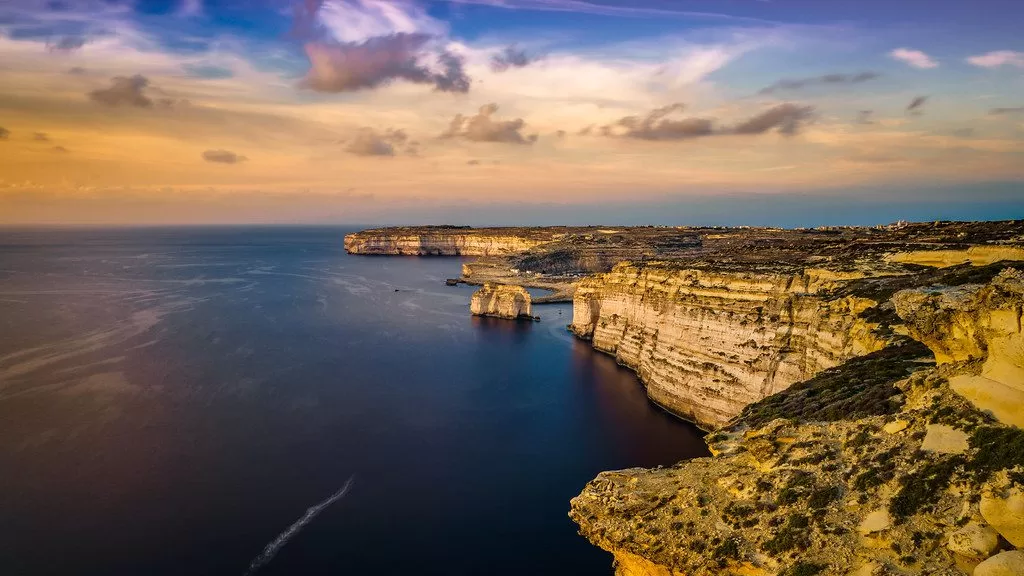
Malta & Gozo: The Insider Guide
Malta and Gozo reward people who know where to look. The most famous beach is not always the best one, the most memorable food often comes from a bakery rather than a waterfront restaurant, and the Blue Lagoon can feel like two completely different places depending on how and when you visit.
This is the guide we share with our guests after their boat trip: where to eat, where to swim, where to go out, what is genuinely worth your time, and the practical mistakes that can spoil part of a holiday.
Written by the local family team behind iMalta Boat Trips and Outdoor Explorers Malta. We have been running boat trips since 2016, we live here, and we work around Malta, Gozo and Comino every day.
Malta & Gozo Quick Facts for 2026
Maltese Food: What to Actually Eat and Where
Many visitors leave Malta thinking the local food is mainly pizza and pasta because they ate only on tourist promenades. Traditional Maltese and Gozitan food is often found inland, inside old village bars and in bakeries that look very ordinary from outside.
Malta
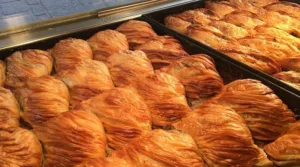
Serkin, Rabat
Our favourite stop for pastizzi: flaky pastry filled with ricotta or peas. It is casual, inexpensive and very close to Mdina, so combine the two.
Mġarr Farmers Bar
A good place to try traditional dishes such as snails, octopus, stuffed vegetables and rabbit. Horse meat also appears in Maltese cooking, although it will not be for everyone.
The Grasshopper
A traditional bar with a sociable atmosphere and generous shared plates. Go for the experience rather than polished presentation.
What else to try
Rabbit stew, bragioli, baked pasta, lampuki when in season, bigilla, ġbejniet cheese and Maltese bread with tomatoes, oil, capers and olives.
Gozo

Gozo ftira baked in a traditional oven, usually topped with potato, tuna, olives, capers and onion. Order ahead at busy times.
Another highly regarded traditional bakery. Try qassatat and compare its ftira with Maxokk—locals have strong opinions about both.
Sammy’s Il-Kċina tal-Barrakka
A local recommendation for fish and straightforward cooking. Check opening hours before making a special journey.
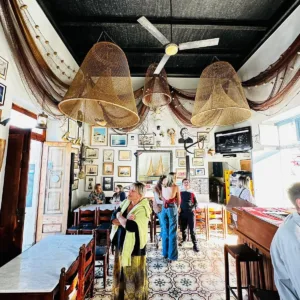
Gleneagles, Mġarr Harbour
A characterful harbour bar where the setting matters as much as the drink. Go around sunset and watch the ferries and fishing boats enter Mġarr.
Village Festas: The Most Maltese Experience of All

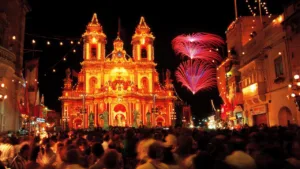
When your stay overlaps with a village festa, make room for it. A festa celebrates a village’s patron saint, but it is also a major community event with decorated streets, brass bands, church processions, food stalls and some of the most elaborate fireworks you will see anywhere.
How the week usually works
Every village follows its own programme, so the exact nights can vary. A common pattern is:
- Friday: ground fireworks and smaller celebrations.
- Saturday: major aerial fireworks and a very busy evening.
- Sunday: the principal religious procession and street celebrations.
Festa season generally runs from late spring into early autumn, with the busiest concentration in summer. Major dates include 29 June, 15 August and 8 September, although many villages celebrate on different weekends.
Best Beaches: The Honest Version
Malta beaches worth the trip
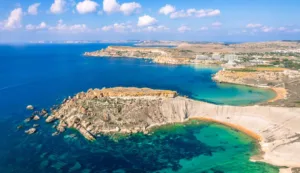
Għajn Tuffieħa
Our favourite all-round sandy beach in Malta. The cliffs and sunset are beautiful, but there are many steps and little natural shade.
Qarraba
A quieter coastal area reached by walking from Għajn Tuffieħa. The paths are exposed and uneven, so use proper shoes and avoid the hottest hours.
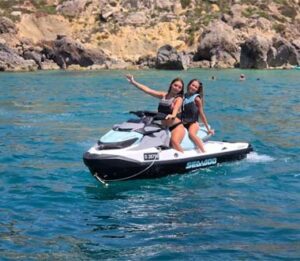
Paradise Bay
Convenient for northern Malta, with attractive water and good snorkelling around the rocky sides. It can still become busy during summer weekends.
Golden Bay and Mellieħa Bay
Good choices for easy access, facilities and families, but they are among the busiest beaches in summer. Go early or late rather than at midday.
Gozo beaches and inlets
Ramla Bay
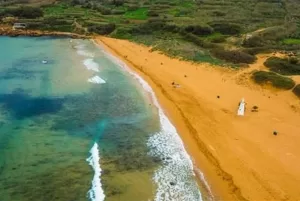
Gozo’s largest sandy beach, known for its reddish sand. Combine it with the view from Mixta Cave, but respect private land and warning signs.
San Blas Bay
Beautiful and smaller than Ramla, with a very steep approach. The climb back is demanding in summer; access can also change, so check locally.
Wied il-Għasri
A narrow rocky inlet rather than a traditional beach. It is striking in calm weather, but entry, exit and swell require care.
Daħlet Qorrot
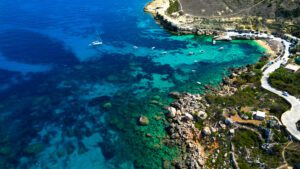
A small local bay with rock-cut boathouses. Best early in the morning or outside the busiest weekends.
Is the Blue Lagoon overrated?
The water is genuinely exceptional. The land experience is where disappointment happens: limited space, heat, queues and crowds can dominate the visit. From a private boat, you can stay on the water, swim directly from the boat and adapt the stop according to wind and crowd levels.
Visitors who want to step onto the regulated Blue Lagoon shore area must reserve a free access pass. Guests who remain aboard a private boat and swim from it do not need the land-access pass. Always check the current rules before travelling.
See the Blue Lagoon without fighting for space on land
Our private trips leave from northern Malta or Mġarr Harbour in Gozo and include a local skipper, fuel, shade and snorkelling equipment.
Best Shore Snorkelling
Visibility depends heavily on wind, swell and the time of day. A famous snorkelling spot can be poor on the wrong day, while a sheltered coast can be excellent.
- Qbajjar and Xwejni, Gozo: explore the rocky edges and reef areas in calm conditions. Do not make an exposed bay-to-bay crossing unless you are a strong swimmer and fully understand local boat traffic and currents.
- Għar Lapsi, Malta: a compact rocky inlet with easy access in calm weather, but it can feel busy and confined.
- Paradise Bay, Malta: the rocky sides usually offer more marine life than the centre of the sandy beach.
- Ħondoq ir-Rummien, Gozo: convenient entry and clear water on suitable days, with boat activity to watch for.
Cliff Jumping: Read This Before Considering It
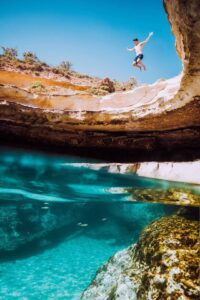
Cliff jumping is common at places such as Crystal Lagoon, St Peter’s Pool, Xlendi and Ħondoq, but popularity does not make a jump safe. Water depth, swell, submerged rocks, boat traffic and exit points can change.
- Never assume a jump is safe because someone else completed it.
- Never jump head-first into unfamiliar water.
- Never jump after drinking alcohol.
- Confirm how you will exit the water before entering.
- Do not pressure children or nervous swimmers to jump.
On our boat trips, the skipper has the final word on whether any swimming or jumping area is suitable that day.
Cities and Towns: The Insider Version
The main sights are worth visiting, but timing changes the experience. Arrive with every coach tour and you may see only the crowd.
Mdina and Rabat
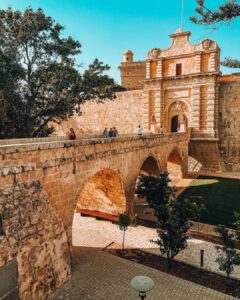
Best time: late afternoon into evening, or early morning before the day tours arrive.
See St Paul’s Cathedral, Mesquita Square, Bastion Square and the quiet residential lanes. Then walk into Rabat for St Paul’s Catacombs, the Domus Romana and a stop at Serkin.
Valletta
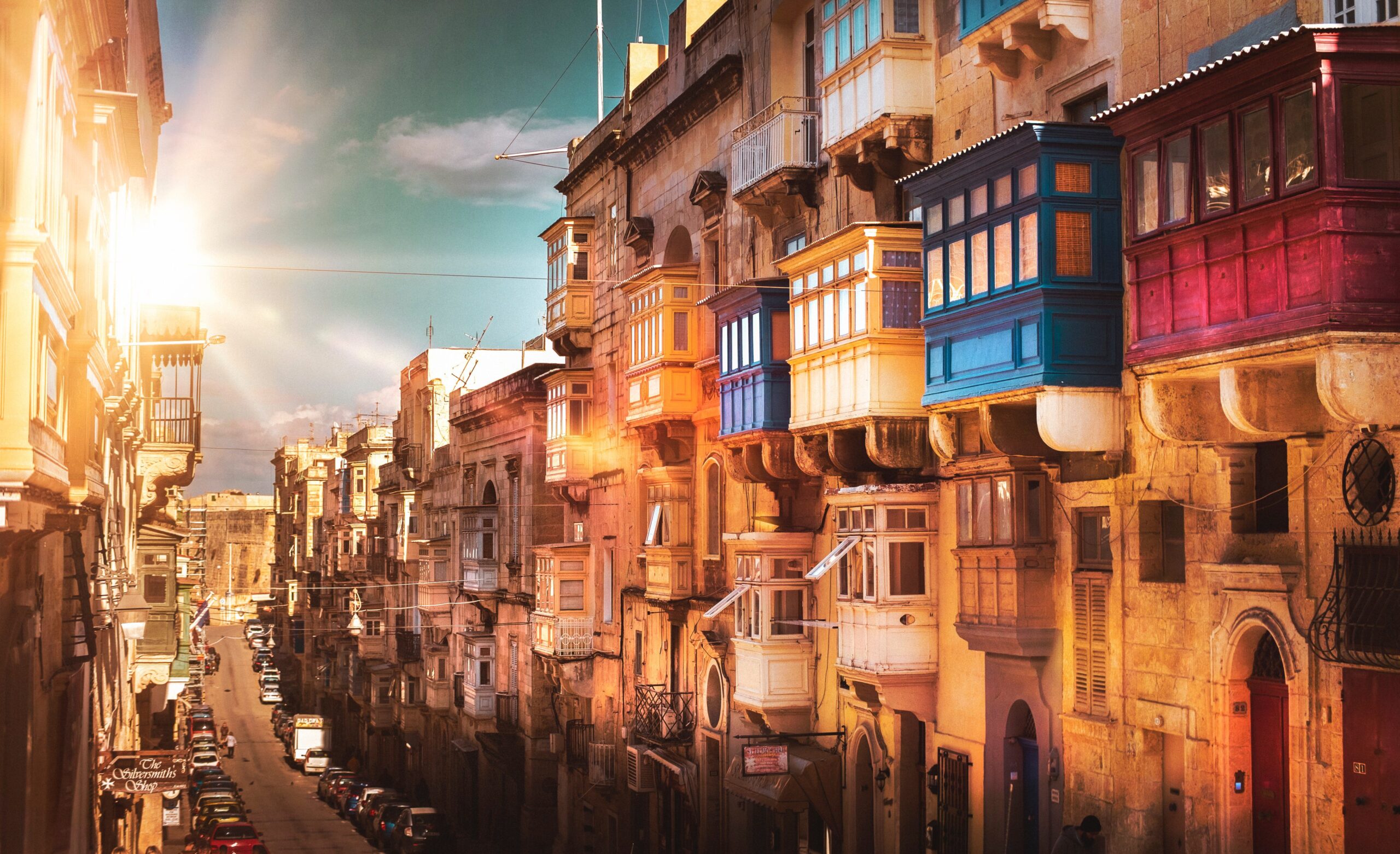
Best time: early morning for the main sights or late afternoon into evening for atmosphere.
Do not skip St John’s Co-Cathedral. Fort St Elmo and the National War Museum deserve around two hours if military history interests you. Upper Barrakka is famous, while Hastings Gardens and Lower Barrakka are usually calmer.
The Saluting Battery normally fires its ceremonial guns at 12:00 and 16:00 from Monday to Saturday, but operating days can change. Check before making a special journey.
The Three Cities: Birgu, Senglea and Bormla
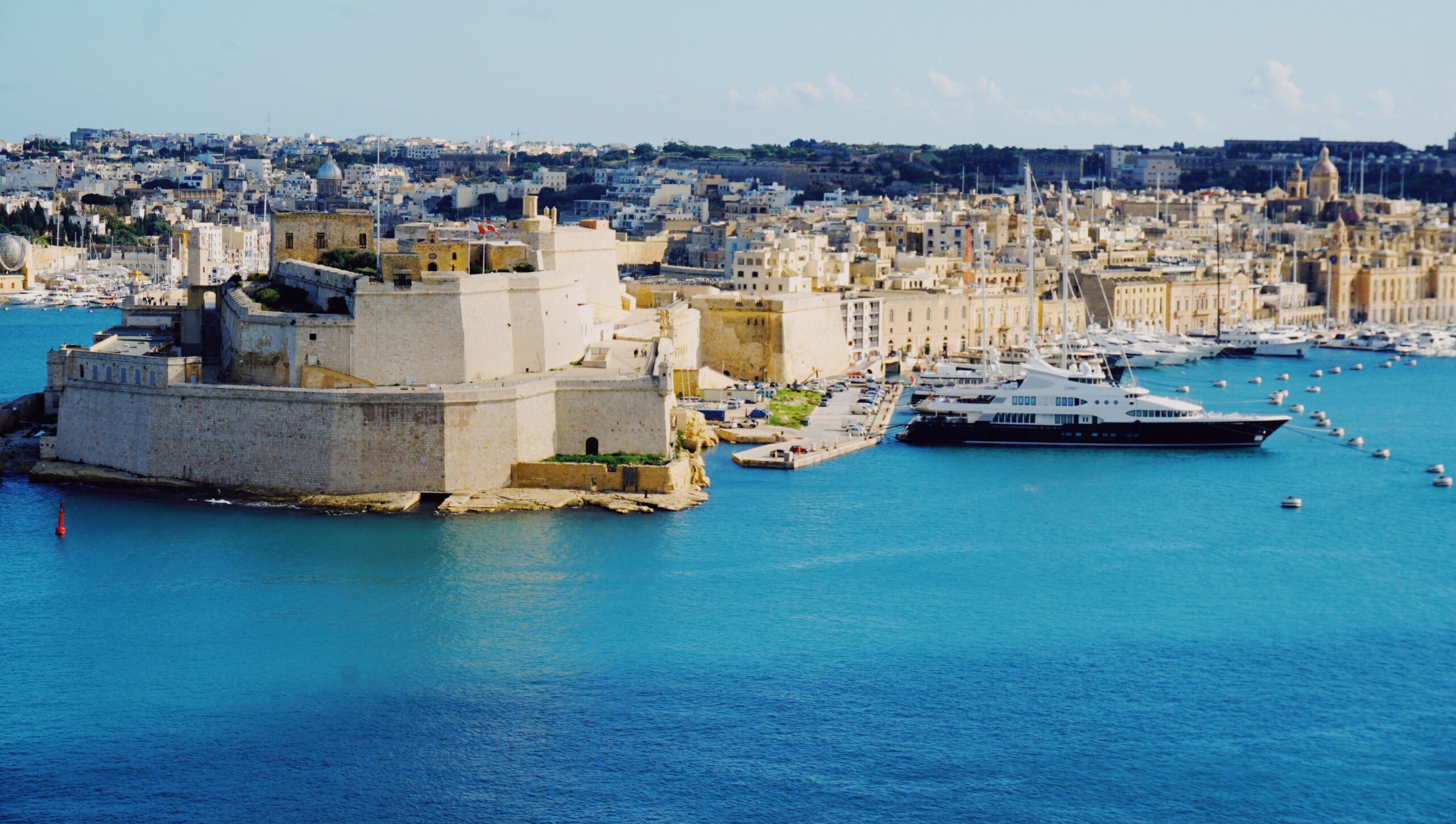
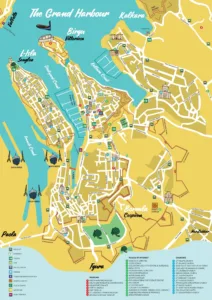
Birgu offers the strongest combination of history, narrow streets and waterfront atmosphere. Walk through the Collachio quarter, continue toward Fort St Angelo and finish at the marina. Senglea’s Gardjola Gardens gives an excellent view back toward Valletta.
Cittadella and Victoria, Gozo
Best time: after 16:00, especially in summer, when many day tours begin leaving.
Walk the bastions, explore the northern lanes and look up inside the cathedral: the apparent dome is a painted trompe-l’œil because the building has no structural dome. Continue into Victoria for St George’s Square and the surrounding streets.
Ġgantija and Xagħra
Best time: at opening time, before the heat and coach groups build.
Use the interpretation centre before walking around the temples. Combine the visit with Ta’ Kola Windmill, Xagħra square and the viewpoint over Ramla Valley.
Marsaxlokk
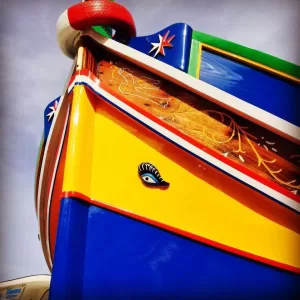
Best time: a weekday morning or late afternoon.
Sunday has the largest market but also the biggest crowds. A weekday gives a better sense of the working harbour. Walk beyond the central restaurant strip and combine the village with Delimara or another southeast-coast stop.
Places outside the standard list
- Qala Belvedere: broad views across the channel toward Comino and Malta.
- Nadur and the roads above Ramla: some of Gozo’s best rural and coastal views.
- Għarb and Għasri: small villages with traditional streets and easy access to western Gozo.
- Sannat and Ta’ Ċenċ: dramatic cliff country; stay well back from unprotected edges.
- Birgu after sunset: historic and romantic without Valletta’s busiest crowds.
Nightlife: Where to Go for the Night You Actually Want
Young crowd, clubs and a big night

Paceville is the concentrated club district. It suits groups who want commercial music, bar-hopping and a very late night. It is loud, crowded and often very young, especially on summer weekends. Arriving around 23:00 makes more sense than going for an early evening drink.
Gianpula Village is usually the better choice when the event or DJ matters. It is outside the main towns, so arrange transport and check the exact event before going.
Café del Mar works for sunset events, pool parties and a polished seaside setting. Expect event pricing rather than bargain drinks.
Couples and quiet drinks
Valletta is the strongest all-round choice for cocktails, wine and beautiful streets. Birgu Waterfront is quieter and more romantic. Mdina is ideal for one slow drink after an evening walk, but not for a full night of bars.
Atmosphere without teenagers
Try Valletta, Balluta Bay or the quieter parts of Spinola Bay. Thursday evenings often offer a good balance between energy and overcrowding.
Live music and wine bars
Valletta has the best concentration of small music venues, cocktail bars and wine bars. Programmes change constantly, so choose the event rather than relying on a fixed list. Bridge Bar is known for outdoor jazz sessions, but check the current programme and arrive early.
Gozo nightlife
- Victoria: the widest year-round choice, although ordinary weekdays can be quiet.
- Marsalforn: best for casual summer waterfront drinks.
- Xlendi: better for couples, dinner and a quiet drink than for bar-hopping.
- Mġarr Harbour: Gleneagles and the harbour view make a memorable sunset stop.
- La Grotta: Gozo’s major open-air club venue, but it operates around particular events rather than as a guaranteed nightly option.
- Village festas: often the most genuinely Gozitan night of the summer.
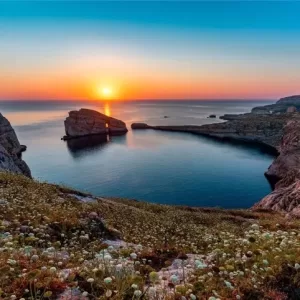
Best Sunset Spots
Dingli Cliffs, Malta
Open-sea sunset and a dramatic coastline. Choose a safe viewpoint and remain behind barriers or walls.
Għajn Tuffieħa, Malta
Watch from the ridge or tower area rather than rushing back up the steps after dark.
Mdina Bastions, Malta
Wide views across the island followed by an atmospheric walk through the illuminated city.
Dwejra, Gozo
The Inland Sea, Fungus Rock and open western horizon still make this one of Gozo’s strongest sunset locations.
Xlendi Tower, Gozo
A romantic coastal walk, but bring suitable shoes and a phone light for the return.
Ta’ Ċenċ and Sanap, Gozo
Quiet, exposed cliff landscapes. Never approach the edge in darkness or strong wind.
For a sunset without parked cars, cliff-edge crowds or a rushed walk back in darkness, watching from a private boat is hard to beat.
Getting Around Malta and Gozo
Should you hire a car?
A small rental car is the most flexible option for families and visitors who want beaches, villages and remote viewpoints. Malta drives on the left. Driving is manageable, but traffic, narrow streets and parking are more stressful than the distances suggest.
- Choose a small car rather than an SUV.
- Avoid driving into central Valletta unless necessary.
- Leave extra time for airport, ferry and boat departures.
- Do not assume every coloured parking bay is available to visitors—follow the signs.
Scooters and quad bikes
A scooter can make parking easier, but only experienced riders should consider one. Malta is not a good place to learn: traffic is busy, road surfaces vary and vehicles drive on the left. In Gozo, a quad bike can be enjoyable through a reputable operator, but a small car is usually safer and more comfortable for families.
Taxis and ride-hailing
Bolt, Uber and eCabs are widely used in Malta. For couples staying in Valletta, Sliema or St Julian’s, they can be easier than hiring a car, especially at night. Prices may rise during storms, festas and busy weekends, so pre-book important journeys.
.
Buses
Malta and Gozo have extensive bus networks and visitors can pay on board by cash or contactless card. Buses are good for direct journeys without a strict timetable. They are less suitable for trying to fit several distant attractions into one day because traffic, full buses and indirect routes add time.
In Gozo, many routes connect through Victoria. This makes the network useful but sometimes slow for travelling between two coastal locations.
Getting to Gozo: Car Ferry vs Fast Ferry
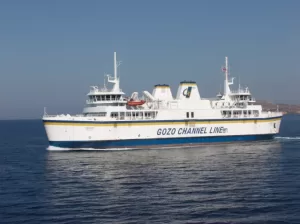
Gozo Channel car ferry
The standard ferry travels between Ċirkewwa in northern Malta and Mġarr Harbour in Gozo. It carries vehicles and foot passengers and the crossing takes approximately 25 minutes once underway. The service normally operates around the clock, subject to weather and operational conditions.
The full journey from Valletta or St Julian’s is much longer because you must first reach Ċirkewwa, queue, board and disembark. Vehicle queues can be substantial on summer weekends, public holidays and Sunday evenings.
Gozo Highspeed
The direct Valletta–Gozo fast ferry is usually the most convenient option for foot passengers staying near Valletta. The advertised crossing is around 45 minutes. Services involving Sliema and Bugibba may also operate, but timetables can be seasonal or change, so check the live schedule on the day.
| Option | Best for | Typical crossing |
|---|---|---|
| Gozo Channel | Cars, families, northern Malta | About 25 minutes |
| Fast ferry | Foot passengers near Valletta | About 45 minutes |
Can you see Gozo in one day?
Yes, but do not attempt the entire island. A sensible day combines Cittadella and Victoria, one historical site or village, one bay or viewpoint, and a proper meal. Staying overnight is much better because Gozo becomes calmer after the Malta day-trippers leave.
Practical Things Visitors Underestimate
The sun and heat
The breeze makes people feel cooler while they continue receiving strong sun, especially on a boat where light reflects from the water. Use broad-spectrum SPF 50, reapply after swimming, wear a proper hat and drink more water than you think you need.
Do exposed archaeological sites and long walks early or late. Midday is better for lunch, shade or a carefully chosen swimming stop.
Tap water
Malta’s mains tap water is treated, monitored and safe to drink. It is a blend of desalinated seawater and groundwater. Some visitors dislike the mineral or chlorine taste, so a filtered refill bottle or chilled tap water is a good alternative to buying large amounts of single-use plastic.
In older accommodation, ask whether the kitchen drinking tap comes directly from the mains or from a private storage tank.
Money and tipping
Malta uses the euro. Cards are accepted almost everywhere, but keep some cash for kiosks, village bars, markets and small operators. When a card terminal offers to charge in your home currency, paying in euros usually avoids the terminal provider’s conversion rate.
Tipping is optional. Around 5–10% is appreciated for good restaurant service if no service charge is already included. Rounding up taxis or leaving a tip for an excellent skipper or guide is also welcome.
Opening hours and reservations
Some smaller shops close for part of the afternoon, particularly outside the busiest tourist areas. Restaurants may also have separate lunch and dinner services. Book popular restaurants in summer and confirm opening hours before travelling across the island for one specific place.
What to carry
- Refillable water bottle.
- SPF 50 sunscreen, hat and sunglasses.
- Proper water shoes with secure soles—not only flip-flops.
- A small amount of cash and a backup bank card.
- Power bank, especially when using maps and taxi apps all day.
- Light layer or windproof jacket outside peak summer.
Jellyfish, Sea Urchins and Weather at Sea
Jellyfish
Jellyfish can appear at different times of year depending on wind, currents and water temperature. One coast may be affected while the opposite side of Malta or Gozo is clear. Ask lifeguards, locals or your skipper, and never touch a jellyfish washed onto shore because its tentacles may still sting.
Sea urchins
Sea urchins are common on rocky seabeds. They do not chase swimmers; injuries happen when people stand on them or place a hand on a rock without looking. Water shoes help, but the best protection is floating rather than standing on submerged rocks.
Fireworms
The bearded fireworm has visible bristles that can cause a painful burning reaction. Do not touch it, even with a stick or glove, and teach children to leave unfamiliar marine animals alone.
Sunshine does not mean calm water
Malta can have a bright blue sky and still have strong wind, swell or unsafe cave conditions. A professional skipper may change the route or cancel a trip even when the weather looks beautiful from land. This is normal and should be treated as responsible decision-making.
The Biggest Mistake Visitors Make
Trying to do too much—and choosing everything only by price
Malta is geographically small, but traffic, parking, ferry queues, heat and crowds make days slower than they appear on a map. Visitors often attempt Valletta, Mdina, Marsaxlokk and a beach in one day, then spend most of the holiday inside a vehicle.
A better plan is one main area and one secondary experience:
- Valletta and the Three Cities.
- Mdina, Rabat and Dingli.
- Marsaxlokk and the southeast coast.
- Cittadella and western Gozo.
- Ġgantija, Xagħra and Ramla.
- A Comino boat trip followed by a relaxed evening.
The same principle applies to tours. The cheapest option is not always bad, and the most expensive is not automatically best. Compare what is actually included: boat comfort, fuel charges, group size, skipper experience, route flexibility, shade, swim access and reviews.
See Malta, Gozo and Comino From the Water
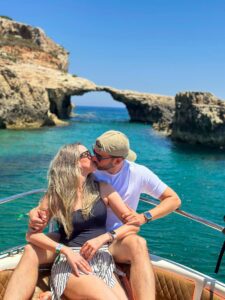
Many of the places in this guide—Blue Lagoon, Crystal Lagoon, Comino’s caves, quiet coves and parts of the Gozo coastline—are better or only accessible by boat.
iMalta Boat Trips and Outdoor Explorers are run by the same local family team. Our trips are private, flexible and led by skippers who work these waters every day.
Early booking offer: €20 off selected 3-hour, 6-hour and 8-hour tours booked at least 14 days in advance. Confirm current availability and terms when booking.
Malta and Gozo FAQ 2026
What food should I try in Malta and Gozo?
Try pastizzi, rabbit, bragioli, bigilla, ġbejniet cheese and seasonal lampuki in Malta. In Gozo, try a traditional potato-topped ftira from Maxokk or Mekren Bakery.
What is a Maltese festa?
A festa is a village celebration dedicated to its patron saint, usually involving decorated streets, brass bands, church processions, food stalls and fireworks. Exact programmes vary by village, so check local event information.
Is the Blue Lagoon worth visiting?
Yes—the water is genuinely beautiful. The experience is usually better early, late or from a private boat. A free pass is required to step onto the regulated shore area, but not when remaining aboard a private boat and swimming from it.
What is the best beach in Malta?
Our all-round choice is Għajn Tuffieħa. Paradise Bay is convenient in the north, while Golden Bay and Mellieħa Bay offer easier facilities but can become very crowded.
How do I get to Gozo?
Use the Gozo Channel vehicle ferry from Ċirkewwa to Mġarr or the fast ferry from Valletta if travelling on foot. Always check the current timetable and allow time for boarding and possible queues.
Can I see Gozo in one day?
Yes, but keep the plan realistic. Combine Victoria and the Cittadella with one historical site, one bay or viewpoint and a good meal. Staying overnight gives a much better feel for the island.
Can I drink tap water in Malta?
Yes. Mains tap water is monitored and safe. Some people prefer filtered or chilled water because of the taste.
Should I tip in Malta?
Tipping is optional. Around 5–10% is appreciated for good restaurant service if no service charge has already been added.
Should I hire a car?
A small car is useful for families and people exploring beaches and villages. Visitors staying centrally and taking only a few excursions may find taxis and ferries easier. Scooters are suitable only for experienced riders.
What should I watch for in the sea?
Check for jellyfish, avoid touching fireworms, look before standing on rocky seabeds where sea urchins live, and remember that sunshine does not guarantee calm sea conditions.
What is the biggest mistake visitors make?
Trying to fit too many distant places into one day. Plan fewer stops, begin earlier and leave part of the day flexible for traffic, heat, swimming and changing weather.
Useful Official Links
- Gozo Channel ferry schedule
- Gozo Highspeed schedule
- Malta Public Transport visitor information
- Official Blue Lagoon land-access booking
- Malta Water Services Corporation monitoring information
Transport schedules, venue programmes, access rules and opening hours can change. Check the official source on the day of travel.